
Reverse osmosis (RO) systems installed under the kitchen sink are one of the most effective ways to produce high-quality drinking water at home. These systems force water through a semipermeable membrane that removes extremely small contaminants, including dissolved salts, heavy metals, chlorine byproducts, nitrates, and many other impurities that standard carbon filters can’t capture. An RO system typically includes multiple stages: a sediment filter, one or two carbon filters, the RO membrane, and a final polishing filter. Together, they reduce particles, chemicals, and odors, leaving clean, great-tasting water right at the tap.

The Halo Ultimate Plus RO system comes with a small storage tank so purified water is always ready, and they install neatly out of sight beneath the cabinet. While they do waste a small amount of water during the filtration process, modern systems are far more efficient than older models. Maintenance usually includes replacing pre-filters every 6–12 months and the membrane every 2–3 years, depending on water quality and household usage. For homeowners who want bottled-water quality directly from a dedicated faucet, a Halo Ultimate R/O Plus under-sink reverse osmosis system is one of the most reliable and proven options available.
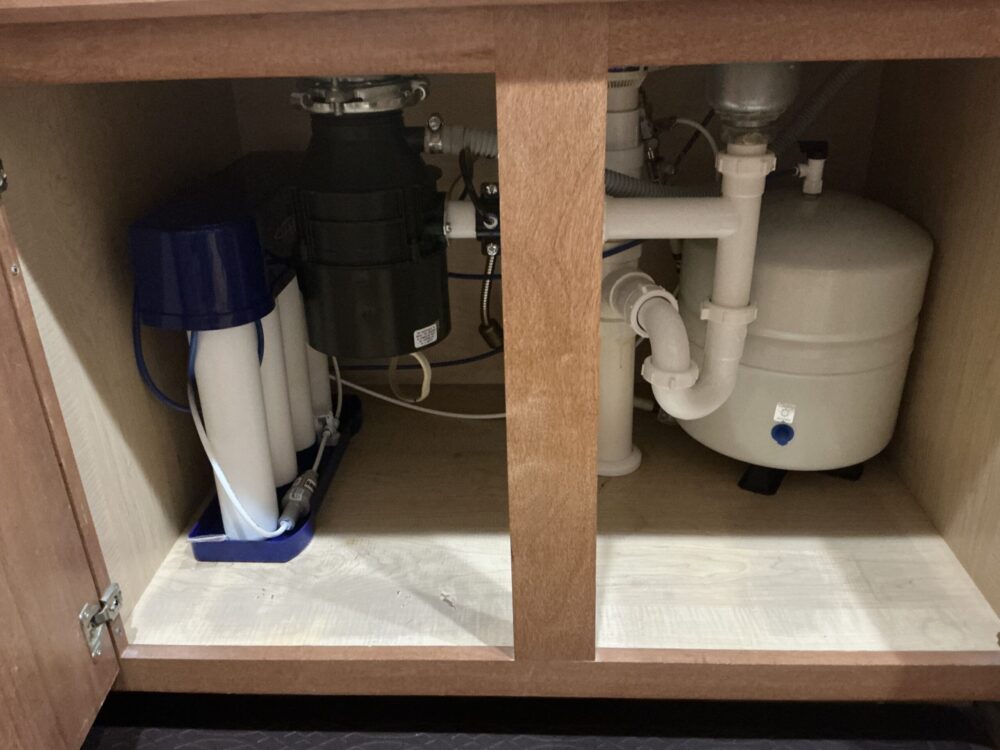
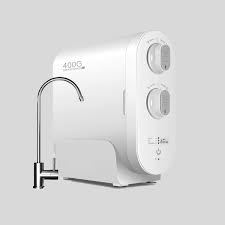
On-demand RO systems sound convenient because they claim to produce purified water instantly without a storage tank, but in practice they often struggle to keep up with real household use. Reverse osmosis filtration is naturally slow—the membrane can only process water at a certain rate. Tank-based RO systems solve this by purifying water gradually and storing it in a pressurized tank, so when you open the faucet you get a steady, strong flow immediately. On-demand units, however, must filter water as you use it, which usually results in very low flow rates. Many can’t deliver more than a trickle, especially when filling pots, coffee makers, or water bottles.

Another drawback is performance consistency. When an RO system with a tank isn’t being used, it continues to replenish and maintain fully purified water, keeping the membrane at optimal pressure and flow. On-demand systems operate in stop-and-start bursts, which can lower efficiency and shorten membrane life due to constant pressure fluctuations. They also tend to be noisier because the internal pump has to run every time water is needed. For most homeowners, a traditional under-sink RO system with a storage tank provides better water pressure, more stable performance, and a more practical amount of purified water ready whenever you need it.