


Why Does My Hot Water Smell Like Rotten Eggs?
Have you ever turned on your hot water and noticed a strong rotten egg smell? It’s an unpleasant problem, and one that many homeowners experience, especially those with private wells.
At Barry Williams Plumbing, we frequently receive calls from homeowners concerned about sulfur odors in their hot water. The good news is that the problem can often be identified and corrected once we determine where the odor is coming from.
But before replacing your water heater or installing expensive filtration equipment, it’s important to understand what’s causing the smell.
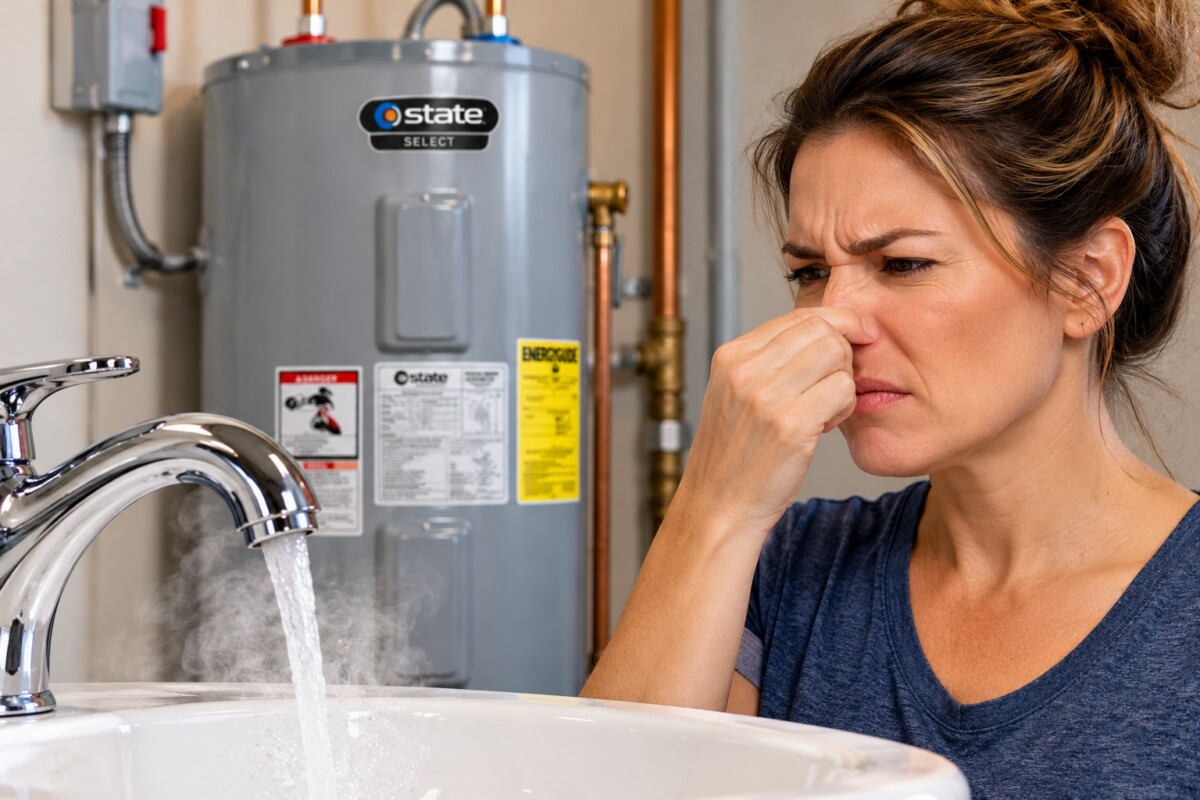
What Causes the Rotten Egg Smell?
The rotten egg odor is commonly associated with hydrogen sulfide gas, which can develop naturally in groundwater or be produced through bacterial activity.
In some homes, the odor originates in the well water itself. In others, it develops inside the water heater.
Water heaters can create conditions that encourage certain bacteria to produce hydrogen sulfide, particularly when sulfate compounds are present in the water.
The key to correcting the problem is determining whether the odor is coming from the water supply or developing inside the water heater.
Why Does Only My Hot Water Smell?
If the rotten egg smell occurs only when you turn on the hot water, the water heater is a likely source.
Many traditional tank-style water heaters contain a sacrificial anode rod designed to protect the steel tank from corrosion.
Under certain water conditions, reactions involving the anode rod and bacteria can contribute to the production of hydrogen sulfide gas.
This is particularly common in some well-water systems.
However, the presence of an odor doesn’t automatically mean the water heater needs replacement.
What If Both Hot and Cold Water Smell?
If the odor is present in both your hot and cold water, the problem may originate in the well or water supply rather than the water heater.
Possible causes include naturally occurring hydrogen sulfide, sulfur-related bacteria, or other water-quality conditions.
In these situations, treating only the water heater may not solve the problem.
Water testing can help determine what type of treatment, if any, is appropriate.
How to Determine Where the Smell Is Coming From
Before calling for service, there are a few simple observations you can make.
- Compare hot and cold water. Check whether the odor occurs with hot water only or with both hot and cold water.
- Check more than one faucet. If the odor occurs at only one fixture, the problem may be associated with that fixture or its drain.
- Check the water away from the drain. Carefully collect some water in a clean glass and move away from the sink before checking for an odor. Sometimes a smelly drain is mistaken for smelly water. Allow hot water to cool before handling it.
- Notice when the odor occurs. Does it happen first thing in the morning, after the water has been sitting overnight, or every time you use hot water? These details can help identify the source.
Can the Water Heater’s Anode Rod Cause the Smell?
Yes. In certain water conditions, a traditional magnesium anode rod can contribute to the chemical and biological processes associated with hydrogen sulfide odors.
Depending on the water chemistry and the heater manufacturer’s requirements, a plumber may recommend a different type of anode rod or another treatment approach.
Some systems use powered anode rods designed to provide corrosion protection without relying on the same sacrificial-metal reactions.
Important: Simply removing the anode rod and leaving the water heater unprotected is not recommended. The rod helps prevent tank corrosion, and removing it may shorten the heater’s life or affect warranty coverage.
Will Flushing the Water Heater Get Rid of the Smell?
Flushing a water heater can remove accumulated sediment, but it may not eliminate the conditions responsible for hydrogen sulfide odors.
If bacterial activity or anode-related reactions are causing the problem, the odor may return after flushing.
In some cases, professional cleaning, disinfection, anode replacement, or water treatment may be necessary.
What About Well Water Treatment?
When the odor originates in the well water, treatment options depend on the water chemistry and the source of the problem.
Depending on test results, solutions may include oxidation, appropriate filtration systems, or other professionally designed water treatment methods.
There is no single treatment that works best for every well.
Before purchasing equipment, it’s wise to identify whether hydrogen sulfide, bacteria, iron, manganese, or other water-quality conditions are contributing to the problem.
Is Rotten Egg Smelling Water Dangerous?
Hydrogen sulfide in household water is often noticed because of its unpleasant odor at relatively low concentrations. However, smell alone cannot determine whether water is safe to drink.
Private well owners should have their water tested for appropriate contaminants, including coliform bacteria and other concerns recommended by their local health department.
Important safety warning: If you notice a rotten egg smell in the air near a gas appliance, rather than specifically in the water, it could indicate a natural gas or propane leak. Leave the area immediately and contact your gas utility or emergency services from a safe location. Do not operate electrical switches or attempt to locate the leak yourself.
When Should You Call a Plumber?
If your hot water consistently smells like rotten eggs, the odor keeps returning after maintenance, or you’re unsure whether the problem originates in your water heater or well water, professional diagnosis is recommended.
Replacing a water heater without identifying the cause may leave you with the same odor in your new equipment.
Barry Williams Plumbing can help identify the source of unpleasant hot water odors, evaluate your water heater, and recommend an appropriate solution for your home’s plumbing system.
The right solution starts with finding the source of the smell, not simply covering it up.