


Why Is My Shower Not Getting Hot?
Have you ever stepped into the shower, turned the handle all the way toward hot, and discovered that the water is barely warm? Maybe your bathroom sink has plenty of hot water, but your shower never seems to reach a comfortable temperature.
It’s a frustrating problem, especially when you expect a hot shower first thing in the morning.
Many homeowners immediately assume their water heater is failing. However, when the problem affects only one shower, the cause is often inside the shower valve rather than the water heater.
At Barry Williams Plumbing, we know that identifying whether the problem affects one fixture or the entire home is one of the most important steps in diagnosing hot water problems.
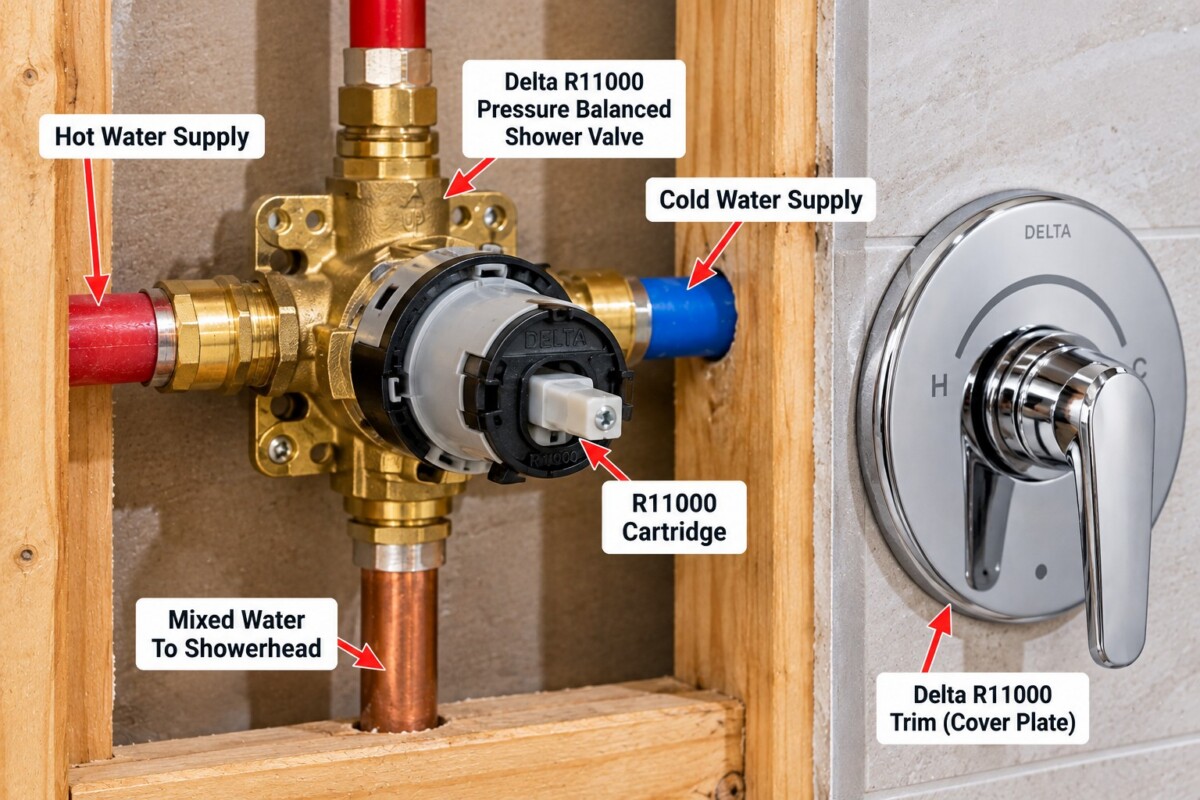
Let’s look at the most common reasons a shower won’t get hot and how to determine where the problem may be.
First, Is the Problem Only at the Shower?
Before assuming something is wrong with your water heater, check the hot water at other fixtures in your home.
Turn on the hot water at a nearby bathroom sink or kitchen faucet and allow enough time for hot water to reach the fixture.
If those fixtures produce normal hot water but the shower remains lukewarm, the problem may be isolated to the shower valve or its supply piping.
If several fixtures are experiencing the same problem, the water heater or another shared plumbing component may be responsible.
This simple comparison can save time and help avoid replacing the wrong equipment.
1. The Shower’s Temperature-Limit Stop Is Set Too Low
Many modern shower valves have an adjustable temperature-limit stop, sometimes called an anti-scald limit stop or rotational limit stop.
This feature restricts how far the handle can rotate toward the hot water position.
Its purpose is to help limit the maximum temperature delivered by the shower.
Sometimes the limit stop is set too conservatively during installation or after a cartridge replacement.
As a result, the shower handle may reach its maximum position before the valve allows enough hot water into the mixture.
Common signs include:
- The shower has never gotten very hot since installation.
- The problem started after a shower cartridge was replaced.
- The handle stops turning before reaching the expected hot position.
- Other faucets in the home have normal hot water.
Correctly adjusting the temperature-limit stop may resolve the problem.
Important: The temperature-limit stop is a safety feature. It should be adjusted only according to the manufacturer’s instructions, with the delivered water temperature verified using a thermometer. Never remove or defeat an anti-scald safety feature.
2. A Failing Shower Valve Cartridge
One of the most common causes of a shower that won’t get hot is a defective or restricted shower valve cartridge.
The cartridge controls how hot and cold water pass through the valve and, depending on the design, how they are mixed.
Over time, mineral deposits, sediment, worn seals, or damaged internal components can interfere with normal operation.
When this happens, the valve may not allow the correct amount of hot water to reach the showerhead.
Possible symptoms include:
- The shower produces only lukewarm water.
- The temperature changes unexpectedly.
- The handle becomes difficult to turn.
- The shower has weak flow on the hot side.
- The problem develops gradually or begins suddenly.
In many cases, replacing the correct cartridge can restore normal operation.
However, the valve should be properly diagnosed before parts are replaced.
3. A Problem With the Pressure-Balancing Valve
Many residential showers use pressure-balancing valves designed to help reduce sudden changes in water temperature.
For example, when someone flushes a toilet while you’re showering, the cold water pressure may temporarily decrease.
A pressure-balancing mechanism responds to pressure differences between the hot and cold supplies to help reduce the risk of sudden temperature changes.
If the balancing mechanism becomes stuck or restricted by mineral deposits or debris, it may interfere with the amount of hot or cold water passing through the valve.
Depending on the valve design, the problem may be part of the main cartridge or a separate balancing component.
Important: Pressure-balancing valves respond primarily to pressure differences, not the actual temperature of the water. They should not be confused with thermostatic mixing valves.
4. A Defective Thermostatic Mixing Valve
Some showers use thermostatic mixing valves that automatically adjust the mixture of hot and cold water to maintain a selected outlet temperature.
These valves are commonly found in certain custom shower systems and higher-end bathroom installations.
If the thermostatic cartridge becomes worn, restricted, or defective, the shower may not reach the desired temperature.
Possible signs include:
- The shower remains lukewarm regardless of the temperature setting.
- The water temperature fluctuates unexpectedly.
- The temperature control becomes difficult to operate.
- Other plumbing fixtures produce normal hot water.
Depending on the manufacturer and valve design, the solution may involve servicing or replacing the thermostatic cartridge.
5. A Partially Closed Hot Water Supply Stop
Some shower valves have built-in service stops that allow the hot and cold water supplies to be isolated without shutting off water to the entire house.
If the hot water service stop is partially closed, it may restrict the amount of hot water entering the shower valve.
This can result in weak hot water flow or a shower that never becomes sufficiently warm.
The problem may occur after plumbing repairs or shower valve maintenance.
What to look for: If the shower stopped getting hot immediately after plumbing work, a partially closed service stop may be worth investigating.
Do not remove trim or attempt to adjust concealed valves unless you are familiar with the equipment and the appropriate safety procedures.
6. A Water Heater Problem
If several fixtures throughout the home are producing lukewarm water, the water heater may be responsible.
The cause depends on whether your home has a traditional storage tank water heater or a tankless water heater.
Possible storage tank water heater problems include:
- A failed electric heating element.
- A malfunctioning thermostat or control.
- A gas burner or ignition problem.
- A water heater that cannot meet household hot water demand.
- Internal component problems affecting hot water delivery.
Possible tankless water heater problems include:
- Mineral buildup restricting heat exchanger performance.
- Ignition or burner problems.
- Flow-related operating problems.
- Temperature sensor or control faults.
- Demand exceeding the unit’s heating capacity.
If hot water problems affect the entire home, the water heater and related equipment should be evaluated before replacing a shower cartridge.
7. A Failing Water Heater Dip Tube
Traditional tank-type water heaters typically use a dip tube to direct incoming cold water toward the bottom of the tank.
This helps reduce the mixing of incoming cold water with the hottest water near the top of the tank.
If the dip tube breaks or deteriorates, incoming cold water may mix more readily with the stored hot water.
As a result, the available hot water may become lukewarm sooner than expected.
Common symptoms include:
- Hot water running out sooner than it used to.
- Several fixtures experiencing reduced hot water availability.
- Water becoming lukewarm even though the heater appears to operate.
Dip tube problems are less common than some other water heater issues, but they can occur.
8. A Plumbing Cross-Connection Between Hot and Cold Water
Sometimes a shower temperature problem is caused by hot and cold water mixing somewhere else in the plumbing system.
This is sometimes called a plumbing crossover or cross-connection.
A defective mixing valve, shower cartridge, or other plumbing component can allow cold water to enter the hot water distribution piping under certain conditions.
When this happens, hot water may become diluted before reaching other fixtures.
Possible signs include:
- Hot water becoming lukewarm at multiple fixtures.
- Unexpected temperature changes during water use.
- Temperature problems that appear after a plumbing fixture is installed or repaired.
- Inconsistent hot water delivery despite normal water heater operation.
Diagnosing a crossover may require isolating individual fixtures and testing the plumbing system.
9. Your Shower Is Using Hot Water Faster Than the Heater Can Supply It
Sometimes the plumbing equipment is working correctly, but the demand for hot water exceeds the system’s capacity.
For example, a large rainfall showerhead, multiple body sprays, or simultaneous use of several fixtures can consume hot water rapidly.
A storage tank water heater has a limited amount of stored hot water, while a tankless water heater has a maximum heating capacity based on incoming water temperature and flow rate.
Possible signs include:
- The shower starts hot but becomes lukewarm during extended use.
- Hot water runs out faster when multiple fixtures operate.
- A large custom shower system uses more water than the heater can adequately supply.
In these situations, the solution may involve evaluating water heater capacity, shower flow rates, or household hot water demand.
How Can You Narrow Down the Problem?
Before calling a plumber, there are several simple observations that can help identify the likely cause.
- Check the bathroom sink. If the sink has normal hot water but the shower does not, the shower valve may be the problem.
- Check other fixtures. If hot water is lukewarm throughout the house, investigate the water heater or a shared plumbing component.
- Notice whether the shower ever gets hot. A shower that has never reached a comfortable temperature may have an incorrectly adjusted temperature-limit stop.
- Think about recent plumbing repairs. A problem beginning after cartridge replacement or remodeling may be related to the shower valve installation or adjustment.
- Pay attention to temperature changes. If the shower starts hot but becomes cold after several minutes, water heater capacity or performance may be involved.
- Compare the hot and cold flow. A significant difference may help identify a restriction in the valve or supply piping.
Safety tip: Avoid disassembling shower valves or adjusting water heater temperature controls without understanding the equipment. Hot water can cause serious burns, and shower temperature-limiting devices must remain properly adjusted.
Should You Replace the Shower Cartridge or the Water Heater?
One of the most expensive mistakes homeowners can make is replacing equipment before identifying the actual problem.
If every other fixture in the house has normal hot water, replacing the water heater is unlikely to correct a problem isolated to one shower.
Likewise, replacing a shower cartridge will not solve a hot water shortage affecting the entire home.
The best approach is to determine whether the problem originates at the shower valve, the hot water distribution piping, or the water heater.
When Should You Call a Plumber?
If your shower remains lukewarm, the temperature changes unexpectedly, or the hot water problem continues after basic troubleshooting, a professional inspection is recommended.
Depending on the symptoms, the solution may involve:
- Correcting the shower valve’s temperature-limit setting.
- Replacing a defective shower cartridge.
- Servicing a pressure-balancing or thermostatic valve.
- Correcting a restricted hot water supply.
- Diagnosing a hot and cold water crossover.
- Repairing a water heater or evaluating hot water capacity.
When Should You Call Barry Williams Plumbing?
A shower that won’t get hot doesn’t automatically mean you need a new water heater.
In many cases, the problem may be isolated to a shower cartridge, temperature-limit stop, or another component of the shower valve.
Barry Williams Plumbing can help diagnose shower temperature problems, repair or replace shower valve components, evaluate hot water delivery, and recommend the appropriate plumbing repairs.
Before replacing your water heater, find out whether the problem is actually inside your shower valve. The correct diagnosis can save you time, money, and unnecessary repairs.