

Why Does My House Have Sewer Odors?
Have you ever walked into your bathroom, laundry room, or kitchen and noticed an unpleasant sewer smell? Sometimes the odor comes and goes. Other times, it seems to linger no matter how much you clean.
Sewer odors are a common plumbing complaint, and they can be frustrating because the source isn’t always obvious.
At Barry Williams Plumbing, we know that sewer odors can originate from several different plumbing problems. The key is identifying where the odor is entering the home rather than simply trying to cover it up.
Here are some of the most common causes of sewer odors and what homeowners should look for.
What Causes Sewer Odors Inside a Home?
Your home’s drainage system is designed to carry wastewater away while preventing sewer gases from entering living spaces.
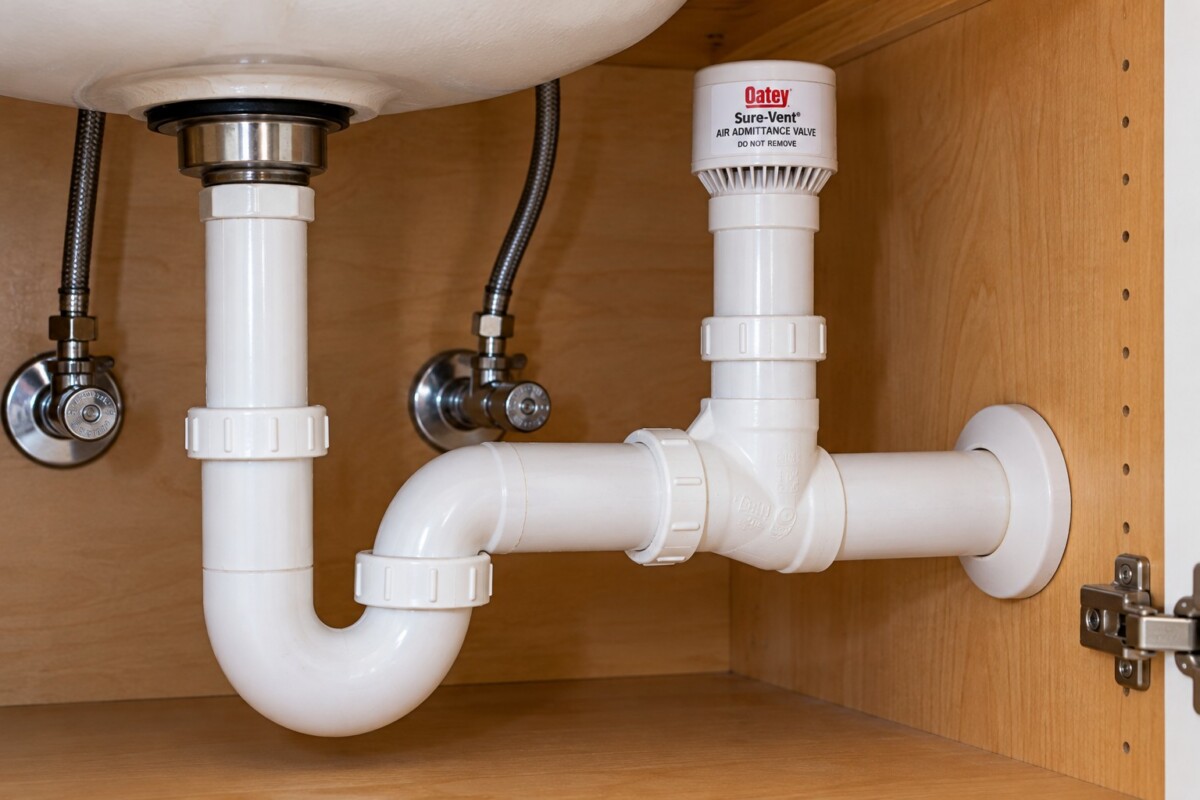
Plumbing fixtures typically use water-filled traps, commonly called P-traps, to create a barrier between the sewer system and the inside of your home.
The plumbing vent system helps maintain proper drainage and protects trap seals from pressure changes. Some plumbing installations also use air admittance valves, which allow air into the drainage system without requiring a separate vent connection through the roof at that location.
When a trap loses its water seal, an air admittance valve fails, a drain connection leaks, or another part of the drainage system isn’t functioning properly, sewer odors may enter the home.
1. A Dry P-Trap
One of the simplest and most common causes of sewer odors is a dry P-trap.
Every properly trapped sink, shower, and floor drain has a water seal that helps prevent sewer gas from entering the building.
If a fixture isn’t used regularly, the water in its trap can gradually evaporate.
Once the water seal is lost, sewer odors may travel through the drain opening.
Common locations include:
- Guest bathrooms that are rarely used.
- Floor drains in laundry rooms or utility areas.
- Unused showers and bathtubs.
- Seasonal or vacant homes.
What you can try: Run water into an infrequently used drain to restore its water seal. If the odor disappears but repeatedly returns, further investigation may be necessary.
2. A Failed Toilet Wax Ring or Seal
Your toilet is connected to the drain system through a seal between the bottom of the toilet and the closet flange.
Traditionally, this is a wax ring, although other types of toilet seals are also available.
If the seal fails or the toilet becomes loose, sewer odors may escape around the base.
In some cases, wastewater may also leak beneath the toilet without being immediately visible.
Warning signs include:
- Sewer odors strongest near the toilet base.
- A toilet that rocks or moves when used.
- Moisture or staining around the base.
- Water damage to the flooring near the toilet.
Important: A leaking toilet seal should be corrected promptly. Simply applying caulk around the toilet will not repair a failed seal and may conceal a developing leak.
3. A Failed Air Admittance Valve (AAV)
One frequently overlooked source of sewer odors is a malfunctioning air admittance valve, commonly called an AAV.
Air admittance valves are commonly found beneath kitchen and bathroom sinks, particularly in installations where connecting a conventional vent pipe would be difficult.
An AAV is a one-way mechanical valve designed to open when negative pressure develops in the drainage system, allowing air to enter and helping protect the fixture’s trap seal.
When the pressure equalizes, the valve closes to prevent sewer gases from escaping into the home.
What happens when an AAV fails?
Over time, the internal sealing mechanism can deteriorate, become contaminated, or fail to close properly.
When this happens, sewer gases may escape through the valve and accumulate inside the sink cabinet.
Because the valve is usually hidden behind cabinet doors, homeowners may spend considerable time searching for the source of the smell.
Common warning signs include:
- A sewer odor strongest inside the cabinet beneath a sink.
- An odor that becomes noticeable when the cabinet doors are opened.
- Intermittent sewer smells near a kitchen or bathroom sink.
- Recurring odors even though the sink’s P-trap contains water.
What homeowners can check: Open the cabinet beneath the sink and look for a small, usually cylindrical valve mounted vertically on a drain vent pipe.
Not every sink has an AAV. Some fixtures are vented through conventional piping concealed inside the wall.
If an AAV is present and the odor appears strongest near it, the valve may be defective or improperly installed.
Important: Air admittance valves must be installed according to applicable plumbing codes and the manufacturer’s instructions. They must remain accessible and positioned correctly for proper operation.
An AAV is not a universal replacement for a conventional plumbing vent system, and a malfunctioning valve should be evaluated and replaced when necessary.
4. A Dirty Sink Drain or Overflow
Not every unpleasant drain odor is actually sewer gas.
Soap residue, toothpaste, hair, food particles, and other organic material can accumulate inside sink drains and overflow passages.
As these materials break down, they may produce strong odors that resemble sewer smells.
This is especially common in bathroom sinks with pop-up drain assemblies.
What to look for: An odor concentrated at one sink, especially when water runs into the drain.
Cleaning accessible drain components may correct the problem. Avoid mixing drain-cleaning chemicals or pouring harsh chemicals into a drain to mask an odor.
5. A Plumbing Vent Problem
Your plumbing system includes vent piping that allows air to enter and leave the drainage system while helping maintain proper pressure.
If a vent becomes blocked or was installed incorrectly, drainage problems may develop.
In certain situations, pressure changes can siphon water from fixture traps, allowing sewer gases to enter the home.
Possible warning signs include:
- Gurgling sounds from sinks, tubs, or toilets.
- Slow drainage at multiple fixtures.
- Sewer odors that appear after another fixture drains.
- Recurring loss of water from a trap.
These symptoms can also result from drain blockages or other plumbing problems, so professional diagnosis may be necessary.
Safety tip: Do not climb onto your roof to inspect plumbing vents unless you have the proper training and safety equipment.
6. A Damaged or Leaking Drain Pipe
Cracked, separated, or improperly connected drain piping can allow sewer gases to escape into crawl spaces, walls, or other concealed areas.
In homes with crawl spaces, damaged drain piping beneath the floor can sometimes produce odors that migrate into the living space.
Depending on the location of the problem, you may also notice damp soil, wastewater stains, or persistent moisture.
What to watch for: Odors concentrated near a particular room, recurring sewer smells, or evidence of wastewater beneath the home.
A damaged drain pipe should be inspected and repaired rather than simply covering the odor.
7. Septic System Problems
Many homes in coastal North Carolina rely on private septic systems rather than municipal sewer service.
A septic system that is overloaded, improperly maintained, or malfunctioning may contribute to drainage problems and unpleasant odors.
However, a sewer smell inside the house doesn’t automatically mean the septic tank is failing.
Possible signs of septic trouble include:
- Multiple drains backing up or draining slowly.
- Gurgling in several plumbing fixtures.
- Wastewater surfacing near the septic system.
- Persistent sewage odors outside near the tank or drain field.
If you suspect a septic system problem, avoid excessive water use and contact a qualified septic professional.
8. A Problem With the Main Sewer Line
Blockages, damaged piping, or improper drainage conditions in the main sewer line can cause wastewater backups and sewer odors.
Tree roots, accumulated debris, deteriorating piping, and other obstructions may interfere with proper drainage.
Warning signs include:
- Multiple fixtures draining slowly.
- Water backing up into a shower or bathtub when another fixture is used.
- Gurgling toilets.
- Recurring drain stoppages.
These symptoms may indicate a problem farther downstream than an individual sink or toilet.
How Can You Narrow Down the Source of a Sewer Odor?
Before scheduling a service call, there are a few simple observations you can make.
- Identify where the smell is strongest. Is it near a toilet, sink, shower, laundry area, or throughout the home?
- Check rarely used fixtures. Run water into unused sinks, showers, and floor drains to restore any evaporated trap seals.
- Look beneath your sinks. Check whether an air admittance valve is installed and whether the odor seems concentrated inside the cabinet.
- Listen for unusual drainage sounds. Gurgling or bubbling may help identify a drainage or venting problem.
- Look for visible moisture. Check accessible areas around toilets, beneath sinks, and near exposed drain piping for signs of leakage.
- Notice when the odor occurs. Does it appear after using a particular fixture, during heavy water use, or after the home has been vacant?
Important: Avoid entering crawl spaces, pits, or other confined areas where sewer gases may accumulate. If an odor is overwhelming or anyone develops dizziness, headache, or nausea, leave the area and seek appropriate assistance.
Can Sewer Gas Be Dangerous?
Sewer gas can contain hydrogen sulfide, methane, and other gases.
While many household sewer odors result from relatively minor plumbing problems, high concentrations of certain sewer gases can be hazardous.
Hydrogen sulfide can be dangerous at elevated concentrations, and your sense of smell is not a reliable way to determine whether an exposure is safe.
Safety warning: If you notice a strong, unexplained rotten egg odor and cannot rule out a natural gas or propane leak, leave the building immediately and contact your gas utility or emergency services from a safe location. Do not operate electrical switches or use open flames.
When Should You Call a Plumber?
If sewer odors persist after restoring water to unused drains, appear around a toilet, seem to originate near an air admittance valve, or occur along with gurgling, backups, or visible leaks, a professional plumbing inspection is recommended.
Depending on the symptoms, a plumber may inspect accessible drain piping, check toilet seals, evaluate air admittance valves, investigate venting conditions, or recommend additional diagnostic testing.
Barry Williams Plumbing can help identify the source of sewer odors, inspect drainage components, and recommend appropriate plumbing repairs to restore proper operation.
A sewer odor isn’t something you should have to live with. Identifying the source is the first step toward correcting the problem.