


Why Is My Faucet Dripping?
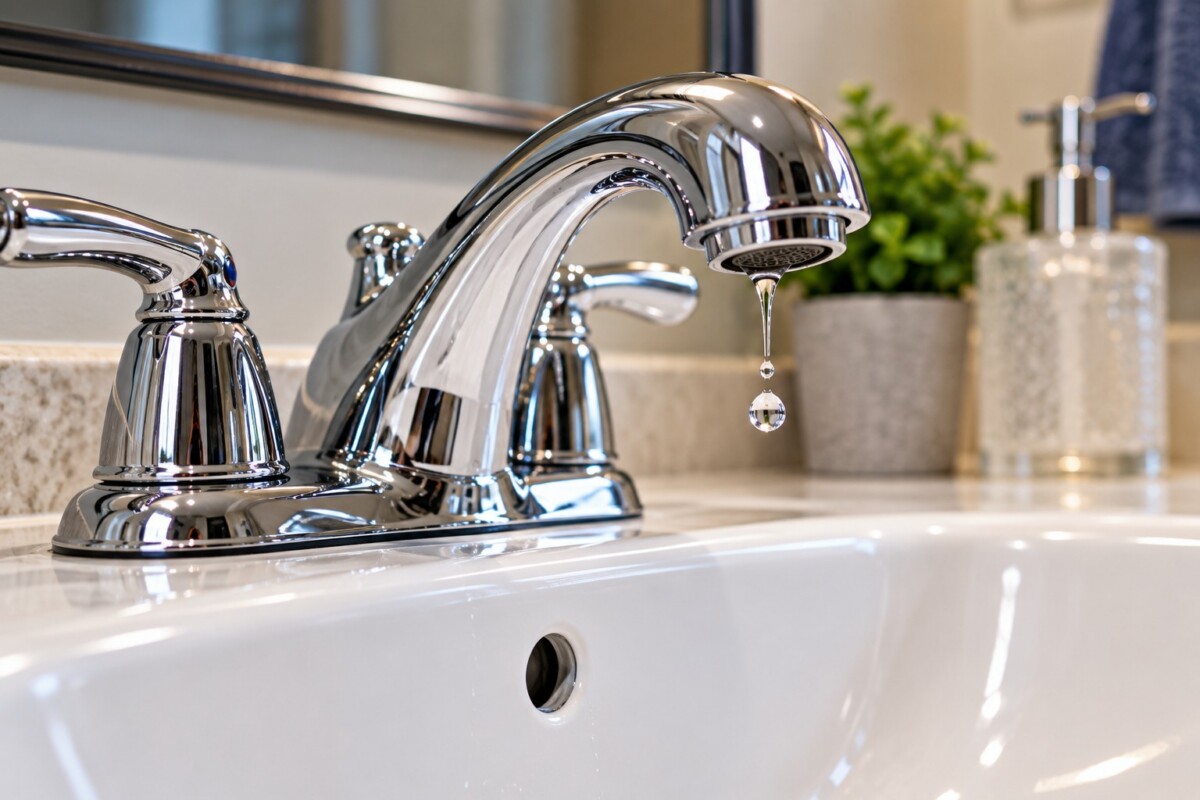
Drip… drip… drip. That constant sound coming from your faucet can be annoying, especially when you’re trying to sleep.
But a dripping faucet is more than just a nuisance. Even a small leak can waste hundreds or thousands of gallons of water over time, depending on how quickly it drips.
At Barry Williams Plumbing, dripping faucets are one of the common plumbing problems we encounter. Fortunately, many faucet leaks can be repaired without replacing the entire fixture.
What Causes a Faucet to Drip?
There are several reasons a faucet may continue dripping after you’ve turned it off. The cause often depends on the type and age of the faucet.
1. A Worn Faucet Cartridge
Many modern faucets use a cartridge to control the flow and temperature of the water.
Over time, the internal seals can wear out, allowing water to pass through even when the faucet is turned off.
What to watch for: Water dripping from the spout after the handle is fully closed, or a handle that becomes difficult to operate.
In many cases, replacing the cartridge will correct the problem.
2. Worn Washers or O-Rings
Older compression-style faucets commonly use rubber washers to stop the flow of water.
Each time you turn the faucet off, the washer presses against a valve seat. Over time, the washer can become worn, hardened, or damaged.
O-rings and other seals can also deteriorate and cause leaks around the handle or faucet body.
What to watch for: A faucet that requires increasing pressure on the handle to stop dripping, or water leaking around the handle.
3. Mineral Buildup
Minerals naturally present in water can accumulate inside faucet components.
These deposits may prevent internal seals or cartridges from closing properly.
Mineral buildup can be especially noticeable in homes with hard water or certain well-water conditions.
Sometimes cleaning the affected components will help, but damaged seals or cartridges may still need replacement.
4. High Water Pressure
Excessive water pressure can place additional stress on faucet cartridges, seals, and other plumbing components.
While high pressure isn’t the most common cause of a dripping faucet, it can contribute to premature wear and recurring leaks.
Residential water pressure should generally remain below 80 PSI, and many homes operate comfortably around 50–60 PSI.
If multiple faucets develop leaks or you suspect excessive pressure, having your home’s water pressure checked is a good idea.
5. A Damaged Valve Seat or Internal Component
Some faucets develop corrosion, scratches, or other damage to the internal surfaces that help create a watertight seal.
When this happens, simply replacing a washer or cartridge may not correct the leak.
Depending on the faucet’s design and condition, repairing or replacing the affected components may be necessary.
How Can You Tell Where the Faucet Is Leaking?
Before attempting a repair, take a moment to identify where the water is coming from.
- Check the spout. If water continues dripping from the spout after the faucet is turned off, the problem is likely related to an internal valve, cartridge, washer, or seal.
- Check around the handle. Water appearing around the handle may indicate a worn O-ring, seal, or cartridge.
- Look beneath the sink. Check for moisture around the faucet connections, supply lines, and cabinet floor.
- Notice when the leak occurs. Does the faucet drip constantly, only after use, or only when the water is running? This information can help identify the problem.
Helpful tip: A few drops immediately after turning off a faucet may simply be water draining from the spout or aerator. Continued dripping is more likely to indicate a problem.
Can You Fix a Dripping Faucet Yourself?
Some faucet repairs are straightforward, particularly when the manufacturer and model are known and replacement parts are readily available.
However, different faucet manufacturers use different cartridges, seals, and internal components. Parts are not necessarily interchangeable.
Before disassembling a faucet, the water supply must be shut off and the pressure relieved.
Important: Never force a stuck or corroded shutoff valve. Older valves and supply connections can break or begin leaking when disturbed.
If you’re unsure which parts are needed or cannot safely shut off the water, it’s best to contact a licensed plumber.
Should You Repair or Replace Your Faucet?
Not every dripping faucet needs to be replaced.
A quality faucet in otherwise good condition may only need a replacement cartridge, washer, or seal.
However, replacement may make more sense if the faucet is heavily corroded, replacement parts are unavailable, the finish is deteriorating, or the cost of repairs approaches the price of a new faucet.
Sometimes a simple repair is all that’s needed. Other times, replacing an aging faucet is the better long-term investment.
How Much Water Can a Dripping Faucet Waste?
A slow drip may not seem like much, but the wasted water adds up.
For example, a faucet dripping approximately once per second can waste more than 3,000 gallons of water in a year, depending on the size of each drop.
Fixing small leaks helps conserve water and may reduce your monthly water bill.
When Should You Call a Plumber?
Contact a licensed plumber if your faucet continues dripping, leaks around the handle or underneath the sink, has damaged or corroded components, or requires parts you cannot identify.
You should also have the problem evaluated if leaks keep returning after repairs.
Barry Williams Plumbing can diagnose dripping faucets, replace worn cartridges and seals, and help you determine whether repairing or replacing your faucet is the best option.
Don’t let a small drip turn into a bigger plumbing problem. Addressing faucet leaks early can save water, money, and frustration.